Fifteen years of watching
the right knowledge
go the wrong place.
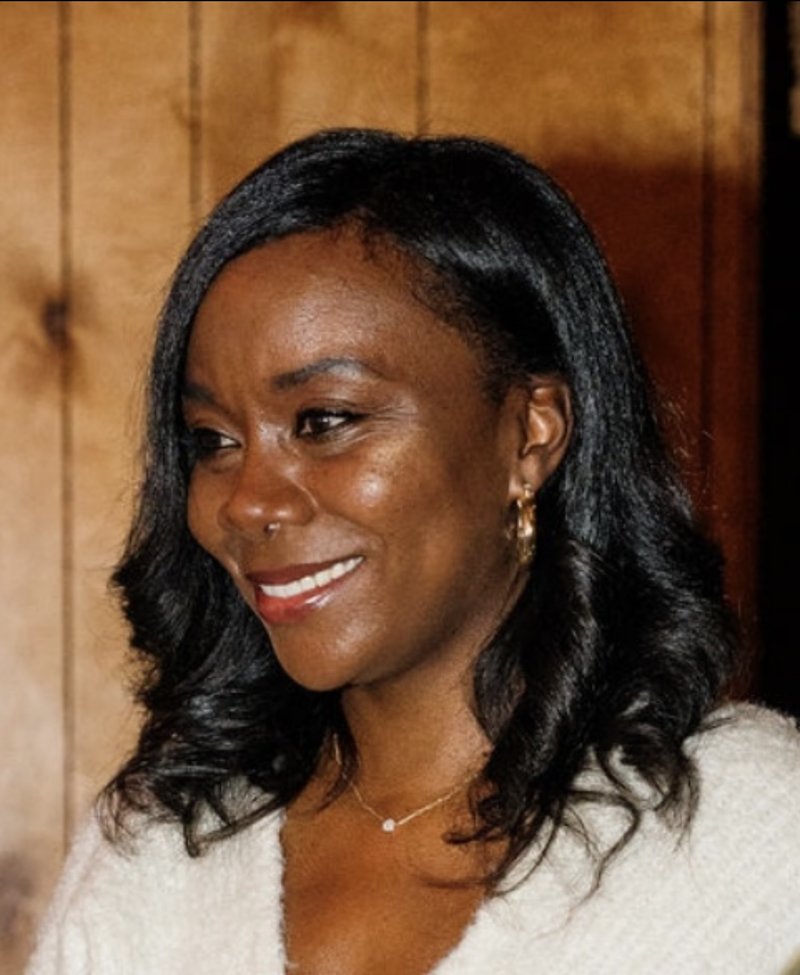
Who I am
I am a public health strategist, facilitator, and systems thinker with over fifteen years working at the intersection of public health, health equity, and racial justice.
My work has lived inside institutions long enough to understand how they move, what they resist, and where they fail communities even when trying not to. I have led program development, facilitated planning processes, and built curriculum used by public health practitioners nationally. I bring this practice across local health departments, cross-sector equity initiatives, community-engaged research, and racial justice efforts across geographies.
I hold an MPH from Charles R. Drew University and have taught health equity and racial justice in academic settings.
Thatch is the independent practice I built because the work I was doing needed its own container.
Why Thatch exists
Community health assessment cycles produce thousands of pages of qualitative data. Focus groups, listening sessions, photovoice projects, surveys with open-ended responses. People telling the truth about their lives and their neighborhoods.
Most of it is cited in an appendix. Some of it becomes a quote in a slide deck. Much of it does not reach the strategy table in a form that changes what gets funded, prioritized, or built.
This is the translation gap. And it is not a people problem. It is a methodology problem.
Thatch exists to solve that problem. Not to collect more community voice, but to do something with what has already been said.
"Not to collect more community voice, but to do something with what has already been said."
How my experience informs this work
I built the Story-Based Evidence Framework from practice, not theory. It emerged from years of noticing the same failure pattern across different institutions and geographies: community voice collected in qualitative form, never translated into the structured evidence that would let it influence decisions. SBEF has been developed through work with local health departments, applied across multiple planning contexts, and used in training and facilitation with practitioners in health equity and racial justice work.
My background in facilitation gave me a granular understanding of how knowledge surfaces in group contexts. My work in program strategy gave me fluency in how institutions evaluate evidence and make choices. SBEF sits at that intersection.
The Mira/Mirror Work series, published through my Substack, represents eight case studies developed through this framework. They are analytical, not illustrative. They demonstrate what it looks like when narrative is treated as primary evidence rather than texture.
This work is also grounded in the John W. Mack Fellowship through Change Elemental, a community of practice focused on prefiguring futures through social change strategy. That inquiry informs everything.